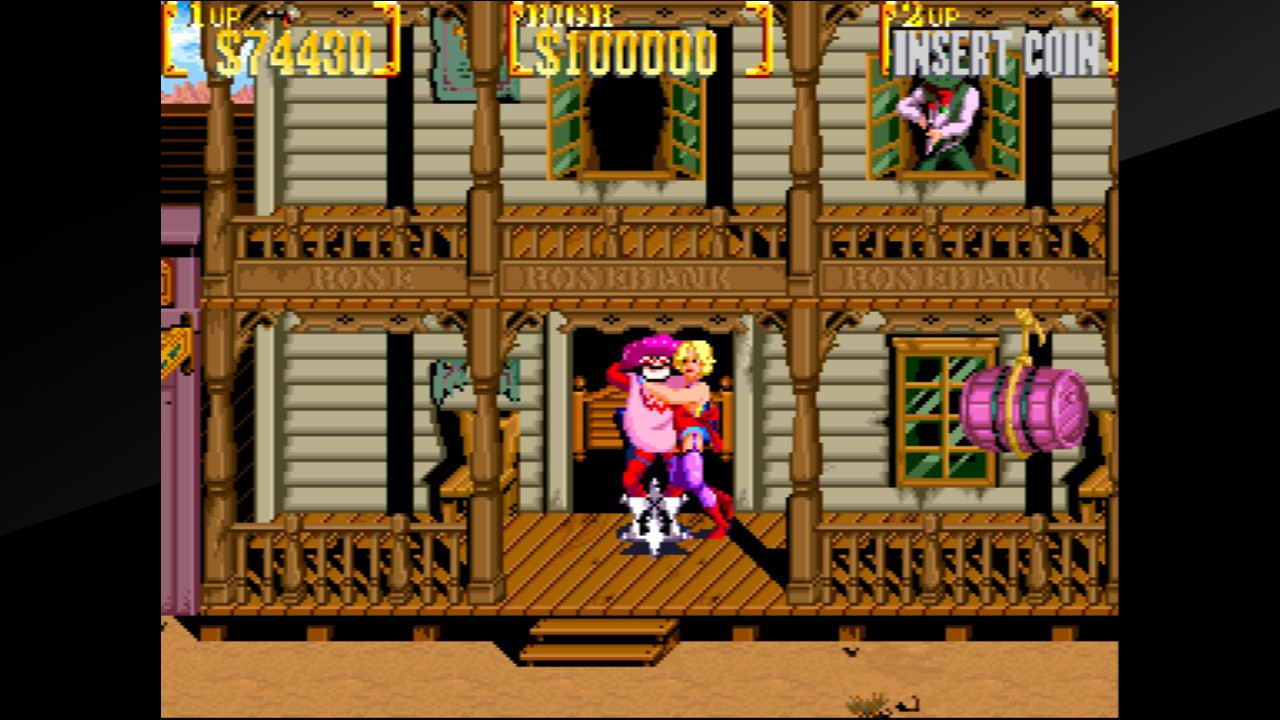
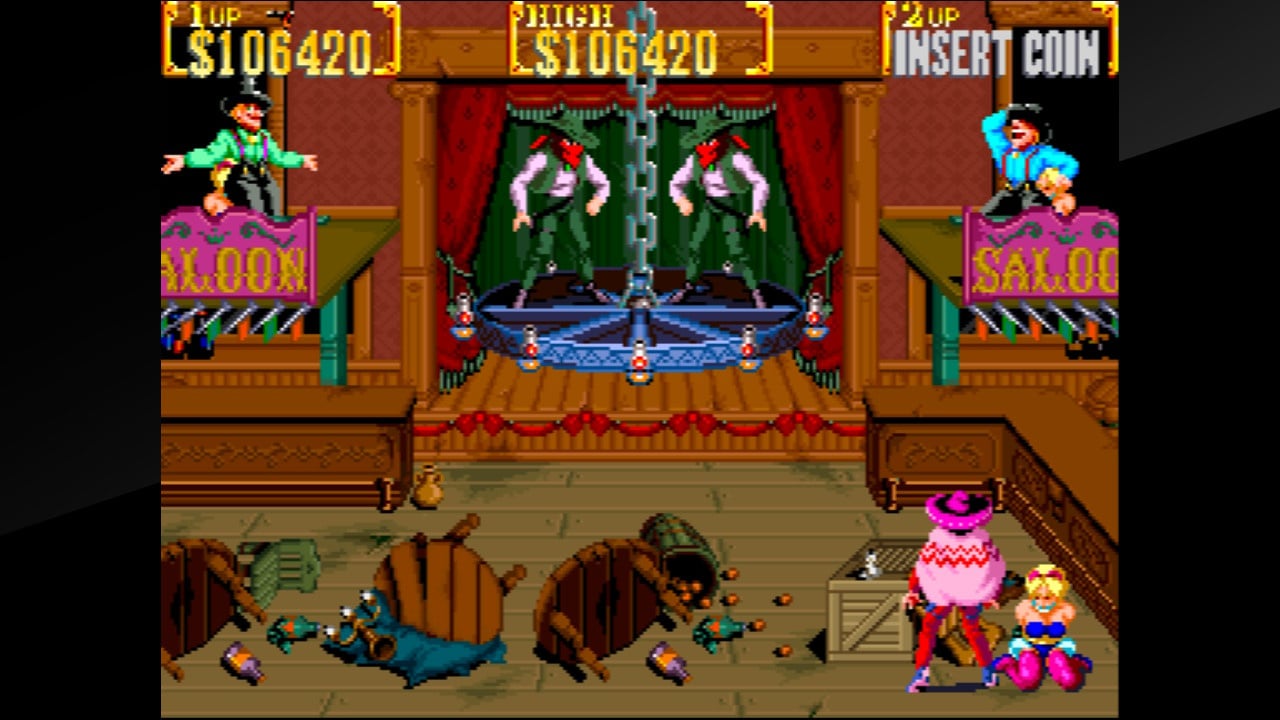
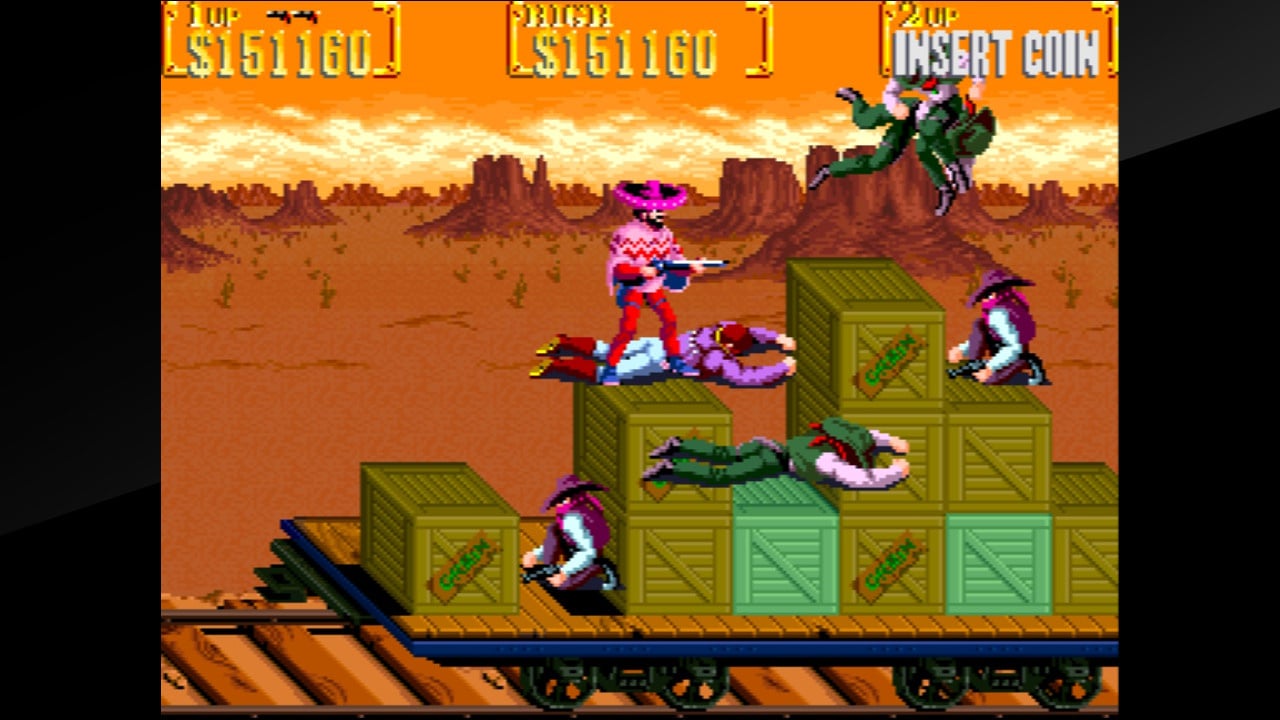
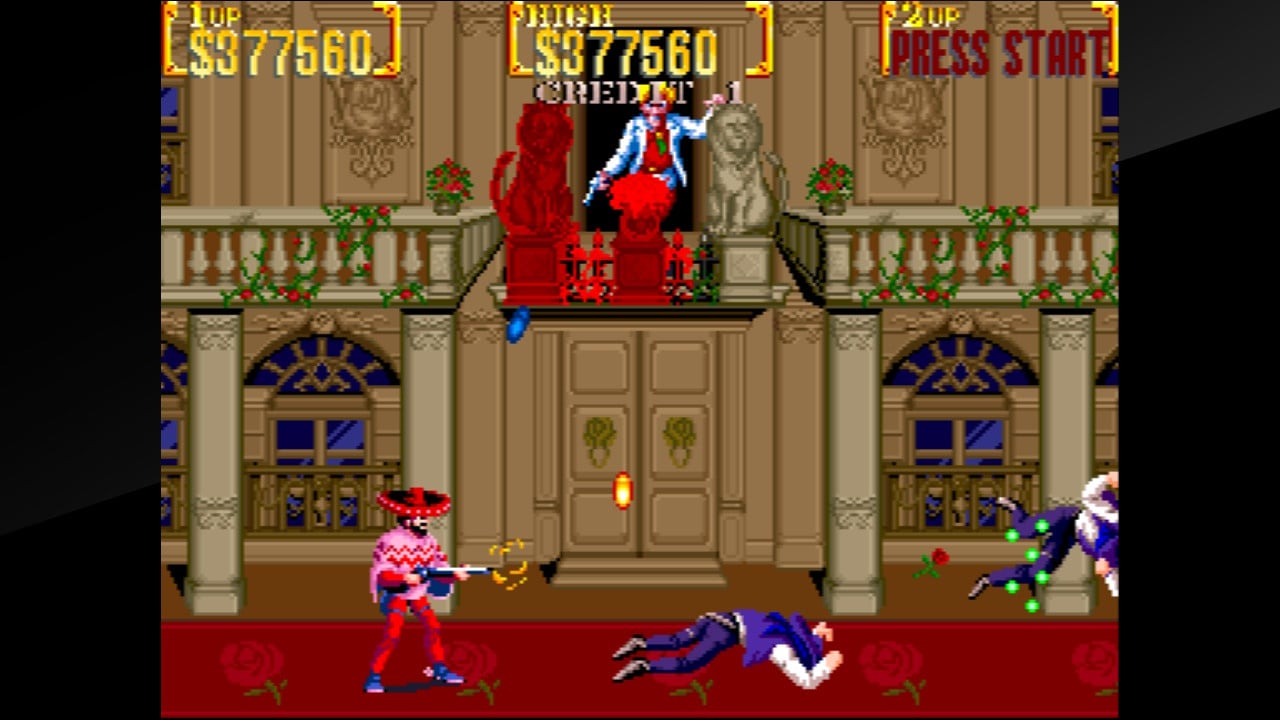
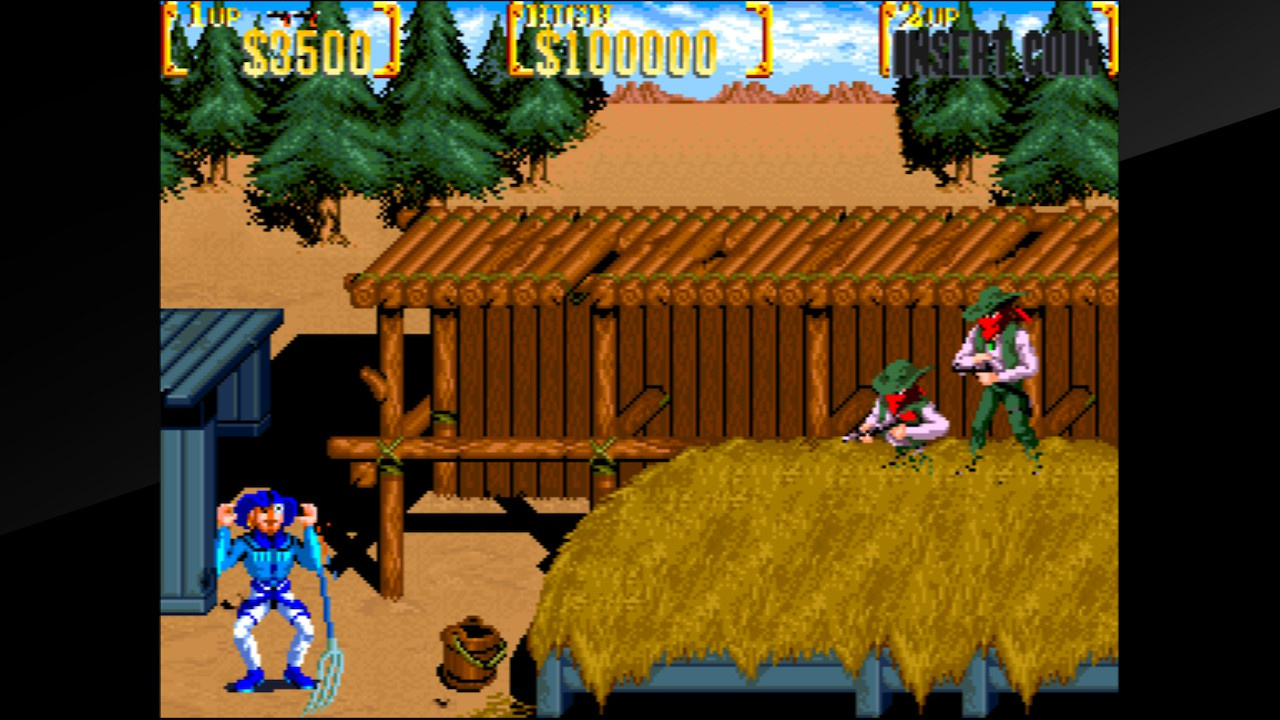
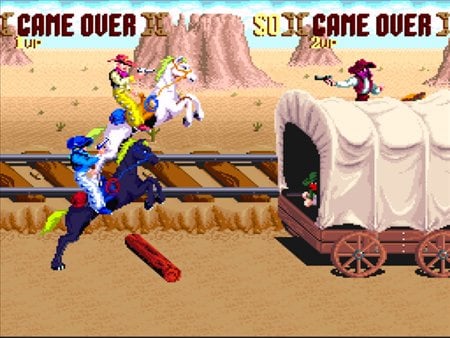
Sunset Riders is the point where Konami's late-arcade craft, slapstick animation, and co-op chaos all meet. Its loop is simple: choose one of four bounty hunters, shoot in eight directions, dodge dynamite, collect weapon upgrades, and chase a gallery of outlaws across towns, trains, saloons, stampedes, and cliffside hideouts. The reason it lasts is not complexity. It is rhythm, readability, and personality.


History
A Western made like an arcade parade
Konami did not make a simulation of frontier life. It made a brisk stage show: huge sprites, readable attacks, comic timing, and set pieces that escalated every few minutes.

Japanese arcade origin
Documentation cited by later histories places the Japanese arcade release on July 9, 1991. The game arrived as a Konami-developed coin-op on JAMMA hardware with two-player and four-player cabinet configurations.
North American trade debut
Sunset Riders was shown at the September 1991 AMOA trade show in Las Vegas before its wider international arcade rollout. Arcade cataloging sources list 1991 for Europe and September/October windows for the U.S. rollout.
Genesis/Mega Drive adaptation
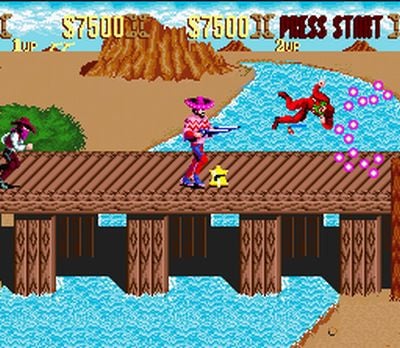
The Sega version reached North America and Europe in 1992. It is recognizably Sunset Riders, but it is the most altered official home version: two playable heroes instead of four, fewer stages, and a lighter version of the arcade spectacle.
Super NES version
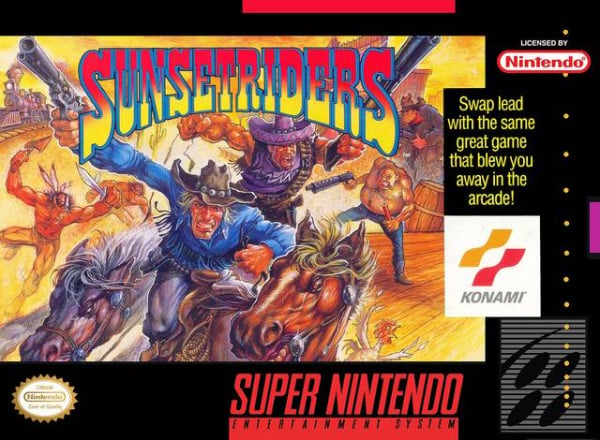
The SNES port followed in October 1993 in the U.S. and Europe. It was not arcade-perfect, but it retained all four heroes and a fuller stage structure, making it the preferred 16-bit home version for many players.
Arcade Archives restoration
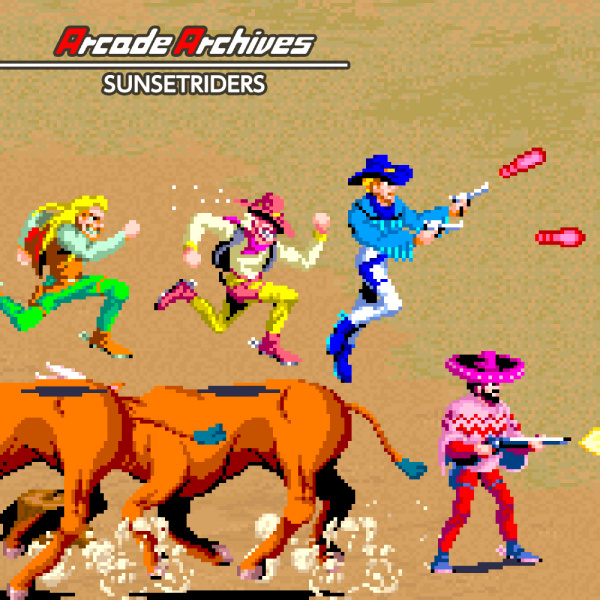
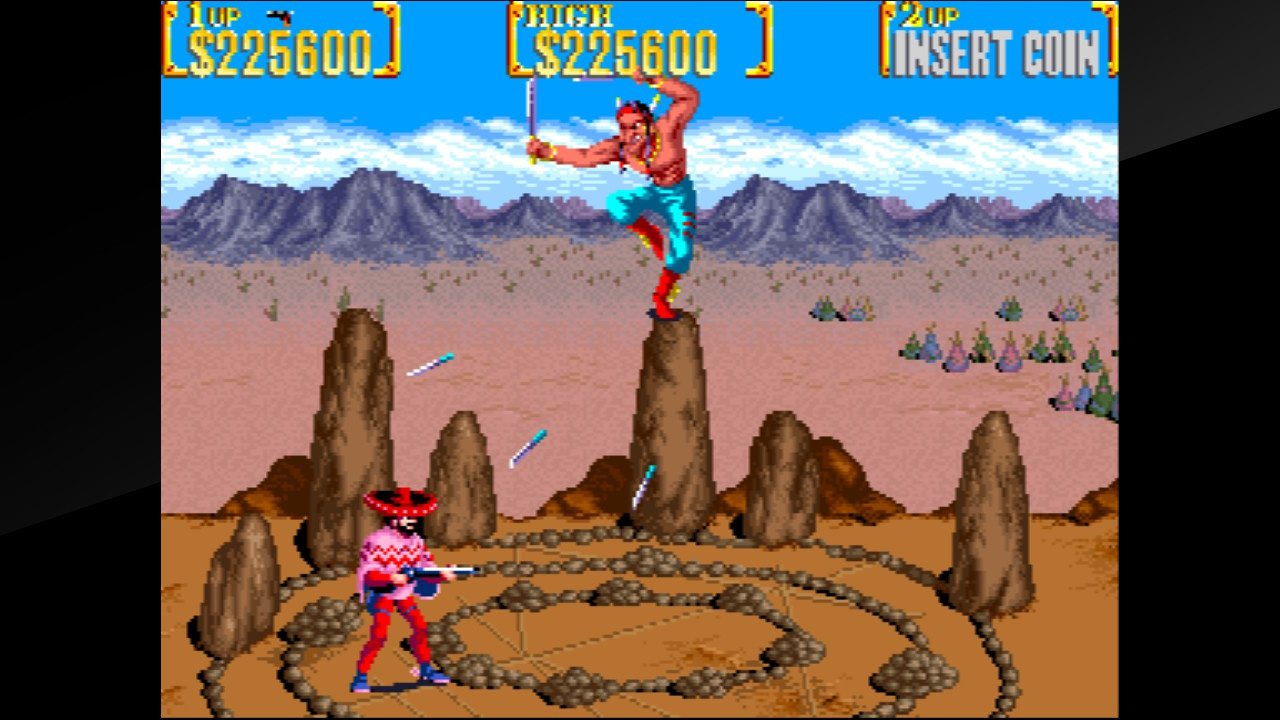
Hamster released Arcade Archives: Sunset Riders for PlayStation 4 and Nintendo Switch on June 11, 2020, finally making the original arcade game officially playable at home with display options, difficulty settings, and online leaderboards.
Versions and ports
Every official stop on the trail
The ports are best understood as different answers to one question: how much of a four-player arcade machine can be squeezed into a home system?
| Version | Release | Players | What changed | Best reason to play |
|---|---|---|---|---|
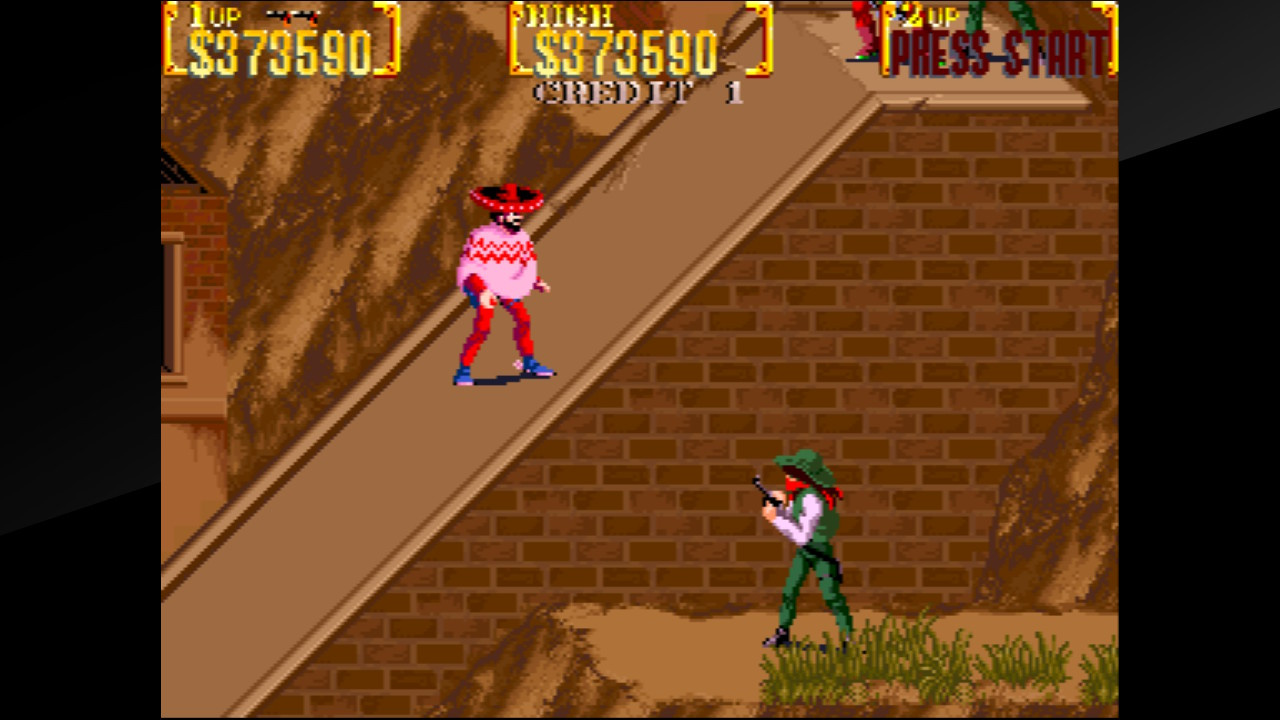
| Arcade | Japan: July 9, 1991; U.S. trade debut: September 1991; international rollout: 1991 | 1-2 or 1-4, depending on cabinet | The original design: four bounty hunters, large sprites, full boss roster, voice samples, saloon power-ups, horse and bonus segments. | The definitive version for pacing, spectacle, and four-player energy. |
| Genesis / Mega Drive | North America and Europe: 1992 | 1-2 | Only Billy and Cormano are playable. It cuts characters and content and changes stage flow, bonus presentation, and audiovisual detail. | A curiosity for Sega players and a compact home adaptation with its own feel. |
| Super NES | U.S. and Europe: October 1993 | 1-2 | Keeps all four heroes and most of the arcade structure, but reduces visual density and removes or edits some saloon, alcohol, sex-work, and Native American imagery. | The strongest original home port and the one closest in spirit to the arcade machine. |
| Arcade Archives: Sunset Riders | PS4 and Switch: June 11, 2020; some Asian PS4 listings followed July 29, 2020 | 1-4 local | An emulated arcade release by Hamster with multiple regional/two-player/four-player cabinet variants, screen settings, difficulty options, save support, and leaderboards. | The easiest official way to play the original arcade game today. |
Arcade is definitive
SNES is the best 16-bit port
Genesis is heavily revised
Arcade Archives is the modern preservation release
Reception
How critics and players read each version
Contemporary magazines were broadly warm, especially toward the SNES port. Later critics tend to be more explicit: the arcade game is the crown jewel, the SNES cart is impressive, and Genesis is compromised.
Immediate arcade response
Sinclair User scored the coin-op 82%, while Zero was cooler at 3 out of 5. The split makes sense: the game is not deep, but in a busy arcade its animation, humor, and co-op readability made it instantly legible.
A decent port with obvious losses
Hobby Consolas scored the Mega Drive version 78%, and Mean Machines Sega gave it 84%, calling it stronger than expected. Retrospectively, it is usually judged as the weakest official version because of the removed characters and cut-down content.
The respected home conversion
Super Play gave the SNES version 87%, SNES Force rated it 89%, and Hobby Consolas gave it 86%. Modern reviews still note the compromises, but the port preserves the character roster and the feel better than Genesis.
The arcade finally at home
Nintendo Life's 2020 review celebrated the Arcade Archives release as a faithful home arrival for the original cabinet, praising the game's pace, set pieces, music, personality, and four-player appeal.
Why it still works
Sunset Riders is built around small, clear verbs: shoot, slide, jump, climb, enter doors, grab upgrades, throw back dynamite. The stage design keeps changing the backdrop before the core loop wears thin, and every boss gets a theatrical entrance or gag. The game is short, but nearly every minute has a specific texture.
The caveat
The game's Western pastiche uses stereotypes that were common in old films and arcade games, including caricatured Mexican and Native American characters. The SNES port edited some of this material, while the Arcade Archives release preserves the original arcade content as a historical reissue.
Spiritual sequels
Konami kept the template alive
Sunset Riders did not receive a numbered sequel, but Konami revisited the idea of colorful multi-player run-and-gun stage shows almost immediately.
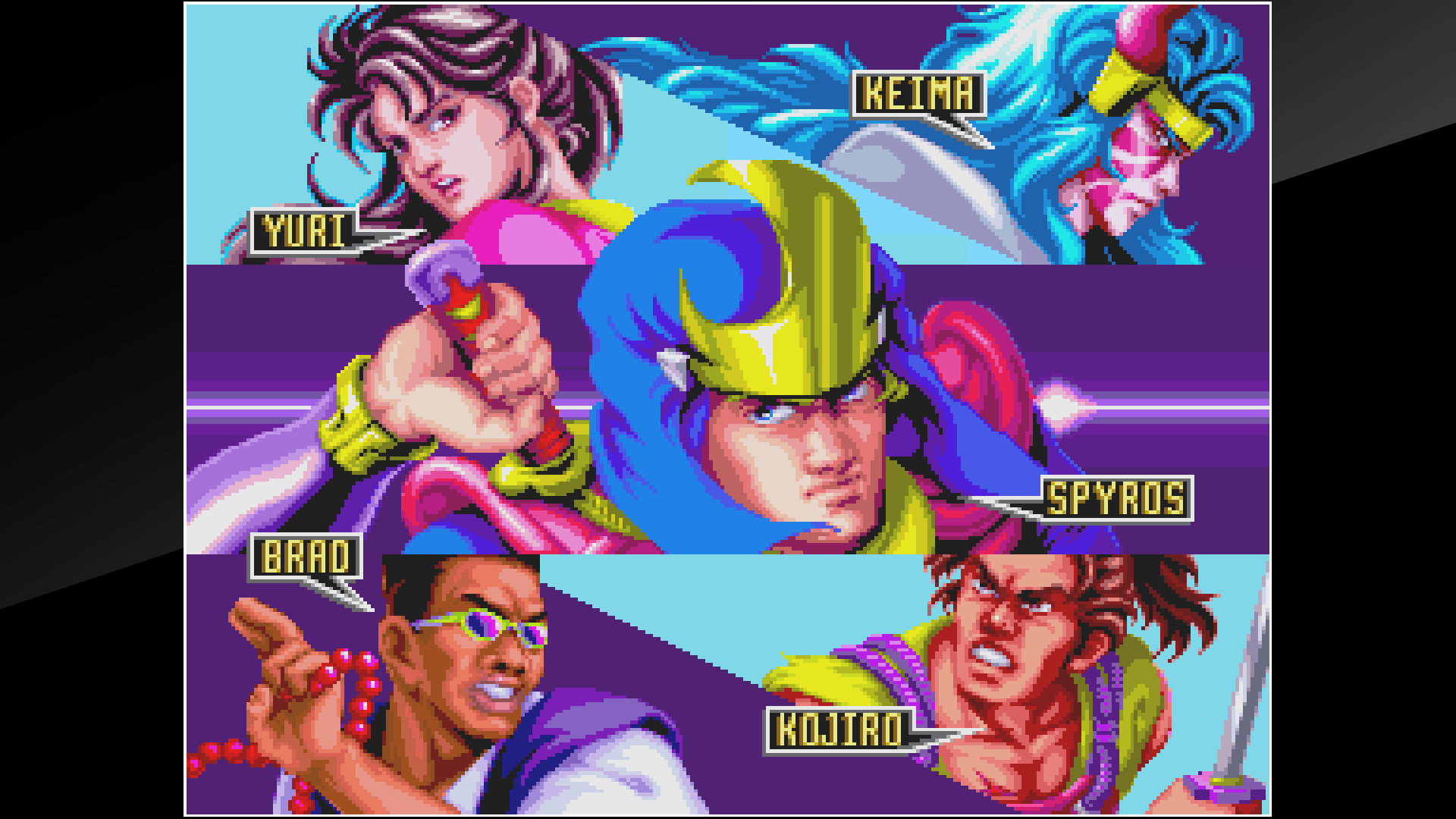
Mystic Warriors: Wrath of the Ninjas
Released to arcades in limited form in 1992 and more widely in 1993, Mystic Warriors is the cleanest spiritual successor: sources identify it as developed by the same team that made Sunset Riders. It trades the Western for neon ninja action, adds hack-and-slash elements, and keeps the four-player arcade attack.

Wild West C.O.W.-Boys of Moo Mesa
Konami's 1992 arcade adaptation of Ryan Brown's animated series is not a direct Sunset Riders sequel, but it is plainly a sibling: a four-player side-scrolling Western run-and-gun that follows the earlier game's broad co-op language, now filtered through a licensed cartoon world.
Sources
Reference trail
Release dates vary slightly across catalogs, so the page uses primary publisher listings where available and notes broader windows when sources disagree.
Official and archive listings
Konami product page, Nintendo store page, and The Arcade Flyer Archive.
Release data
MobyGames release listings and GameFAQs release data for platform and regional windows.
Reception and context
Sunset Riders reception summary, Nintendo Life's SNES review, and Nintendo Life's Arcade Archives review.
Successor context
Mystic Warriors for the same-team connection, Hamster's Mystic Warriors page for modern screenshots, and Moo Mesa for Konami's similar four-player Western arcade game.
Credits
MobyGames credits for director Hideyuki Tsujimoto and composer Motoaki Furukawa.
Image credit
Hero, cover, and screenshot imagery is externally loaded from Nintendo Life's Arcade Archives gallery, Nintendo Life's SNES gallery, The Arcade Flyer Archive's Sunset Riders flyer, and its Moo Mesa flyer.